Artist residency 2026
From 09.12.2025 to 23.08.2026
The International Red Cross and Red Crescent Museum is pleased to announce the laureates of the 11th edition of the Prix Art Humanité
This edition was marked by a unique exhibition held at the heart of the Museum’s Atelier showcasing the finalists’ projects, each exploring notions of sharing and engagement in their own way.
Marc-Arthur Sohna has been named laureate of the Prix Art Humanité 2026 for his project Fragments d’espoir. Conceived as a participatory and evolving experience, the project invites the public to rekindle a sense of hope in the face of contemporary crises through the creation of ceramic amulets, moments of sharing that combine listening and storytelling, and a final performance embodying the shift from individual intention to collective transformation. From March through to the summer, Marc-Arthur Sohna will take up residence in the Museum’s Atelier, inviting everyone to take part in the creation of the work.
The Public Prize was awarded to Lola Rust for Ouvrir la voie, a project that reimagines traditional tales through feminist figures, transforming limiting narratives into spaces for creativity and collective reflection.
The Museum team also warmly congratulates Mohamad Khamis, laureate of the International Prize and a student at the Lebanese Academy of Fine Arts. His urban planning project Reconvertir pour accueillir : d’un état délaissé à un lieu humanisé aims to respond to the needs of displaced people facing emergency situations following the bombardments that affected Beirut.
Through these distinctions, the Prix Art Humanité reaffirms its ambition to support meaningful artistic practices capable of nurturing dialogue and the collective imagination.
About the finalists
Maxime Heta
Maxime Heta is a Swiss multimedia artist whose practice unfolds through video, 3D, animation and installation. A degree in visual communication from HEAD – Geneva laid the foundations for an experimental approach to image-making. Moving image emerged as a privileged language for expressing what escapes words. Video became a space of layering, confusion and emotional release, a place where narration can remain open. The human body occupies a central place in his work. Initially addressed through the lens of digital abstraction, it appeared fragmented, mechanical, pixelated. Through 3D realism and digital manipulation, Maxime explored the ways in which the virtual transforms materiality, presence and temporality. The body thus becomes an object of metamorphosis, stripped of stability and reduced to a texture, a cell, a piece of data.
Over time, this approach has evolved. The body remains at the core of his research, but the focus has shifted to what it carries: heritage, memory, transmitted trauma. The body as archive, as emotional terrain, as vessel for generational echoes.
Coming from a background in graphic design, his path gradually shifted towards video, which became a field of self-taught exploration, further developed during the Master’s programme in Space and Communication at HEAD – Geneva (now Master in Installation Design). His learning of video was shaped through constant experimentation in which tools were reappropriated. This cross-disciplinary approach now nourishes a distinctive visual language located at the intersection of still and moving image.
Amina Jendly
Born in Lausanne on 2 July 1998, Amina Jendly — an ecosystem of micro-organisms, a blend of English algae, Swiss waters and Russo-Lithuanian microbes — is an artist, researcher and facilitator of philosophy practices with children.
After training in philosophy practices for children within the SEVE association and completing a Bachelor’s degree in Visual Arts at EDHEA in Sierre, Amina recently completed a Master’s degree in Visual Arts, CCC Option (Critical Curatorial Cybermedia) at HEAD – Genève.
Her theoretical and practical research, as well as her artistic work, explore ways in which we can develop new forms of relationships with more-than-human beings that surround us, liminal spaces and marginal practices, as well as the creation of methods and tools to foster critical thinking, creative thinking and affective thinking. Through a dissertation on philosophy practices with children through artistic means, along with workshops, installations, exhibitions, mediation projects and micro-publishing, Amina Jendly creates and archives encounters between different audiences and different species.
Embedded in the cultural and associative landscapes of Vaud and Valais, Amina has been active since 2011 in several associations and collectives working in cultural mediation for all audiences, publishing, curating and promoting access to culture.
From her first group exhibition as part of Festival Images OFF in 2016, to her residency at La Becque in La Tour-de-Peilz, to the presentation of five years of creative research on micro-organisms in a studio-gallery in Montreux, and more recently her exhibition “Motel of the Watery Beings” in Martigny, Amina Jendly cultivates artistic practices connected to the living world, to young people, and interrogates nature-cultural norms.
Lola Rust
I am Lola Rust, an interdisciplinary designer and artist recently graduated from HEAD. My practice has been shaped by the rich visual and cultural universe of my family: my grandmother’s stories awakened my imagination, my father introduced me to 1980s cartoons and craftsmanship, my mother immersed me in fashion and galleries, and my sister’s creativity filled our home with drawings and colours. Growing up in this environment allowed the artist within me to emerge gradually.
My background as a dancer gave me a bodily language, which I gradually transformed into a formal language while continuing to tell stories. My experience as a model also immersed me in a visual and pictorial world, nourishing my sensitive approach to image, composition, and the relationship to the body.
Today, my practice sits at the intersection of sculpture, jewellery, installation, and accessory, in a constant dialogue between body, narrative, and material. Curious and experimental, I explore the crossroads of art and design, interrogating symbols, stories, and inherited forms to propose new interpretations. My work draws from myths, folktales, family memories, and everyday gestures to create sensitive objects that carry personal and collective narratives.
Through hybrid pieces — simultaneously wearable and sculptural — I seek to subvert codes, overturn stereotypes, and evoke subtle forms of emancipation. The audience occupies a central place in my practice: I aim to establish a dialogue, provoke thought, or foster an exchange between the performance of the work and those around it. Each creation thus becomes a fragment of a story, weaving meaning between the intimate and the collective, the visible and the invisible, while actively engaging the viewer’s participation.
Marc-Arthur Sohna
Marc-Arthur Sohna is a Franco-Cameroonian designer and artist, recently graduated from the Master’s programme in Space and Communication at the Haute École d'Art et Design de Genève (Switzerland). He also holds a Bachelor’s degree in Object and Spatial Design from the École Supérieure d’Art et Design de Saint-Étienne (France).
His work draws upon African mythologies and folktales to construct alternative worlds and reimagine contemporary narratives. Through multimedia installations and performances featuring protagonists from other realms, he explores the essence of these myths in order to question the future of marginalised identities.
He also takes inspiration from science fiction and pop culture, merging these references to address social issues within a decolonial approach. He has a strong belief in the transformative power of stories and in the crucial importance of representation as a means of reclaiming collective agency. His artistic approach seeks to create spaces for reflection where identities can be reinvented, freed from imposed frameworks.
Navigating between cultural heritage and fictional worlds, Marc-Arthur Sohna develops a design practice in which storytelling becomes an act of resistance.
For personal reasons, Reema Nubani has decided to withdraw from all categories of the Prix Art Humanité. The partners of the Prize respect her decision and thank her for her participation.
The international prize
Another major innovation is the introduction of the International Prize, created in partnership with HEAD – Genève, the ICRC and the Académie libanaise des beaux-arts (ALBA).
This award highlights the work of a young graduate artist from a country where the ICRC operates. For this first edition, the Museum is presenting the work of Mohamad Khamis, a Lebanese artist already recognised in his home country. His work joins those of the Prix Art Humanité finalists and enriches the exhibition with a fresh perspective, in dialogue with the values of the International Red Cross and Red Crescent Movement.
About the international prize
Mohamad Khamis
My name is Mohamad Khamis and I am currently in my third year of a Master’s degree in Architecture and Urban Design at ALBA (Lebanon), as part of a dual programme. I chose this field because it allows me to leave a tangible mark on the world while drawing on imagination, creativity and human sensitivity.
During my academic journey, I completed several internships in different architecture practices, where I developed my skills in design, project management and the use of professional software. These experiences taught me to work with rigour and method, while nurturing my interest in creating functional and aesthetically pleasing spaces that meet users’ needs.
What I appreciate in architecture and urban design is the ability to create spaces that tell a story, evoke emotion and encourage interaction between people. I am particularly drawn to lively projects where functionality, aesthetics and human experience come together.
Alongside my studies, I practise drawing and fine arts, exploring oil on canvas, watercolour and realistic portraiture. This practice enhances my attention to detail and fuels my creativity.
I have also been involved in various volunteer activities, such as participating in an educational day at the Lebanese School for the blind and deaf people, supporting pupils in a public school (Citizens Lebanon), and distributing food to families in need. These experiences strengthened my sense of listening, empathy and social responsibility.
In 2025, I won a writing competition, the prize for which was a trip to Italy. There, I attended a language course and met participants from various countries, which proved to be a highly enriching cultural and human experience. I also visited several cities, each with its own identity, which further fed my curiosity, passion for travel and broadened my understanding of urban environments.
1 | 14
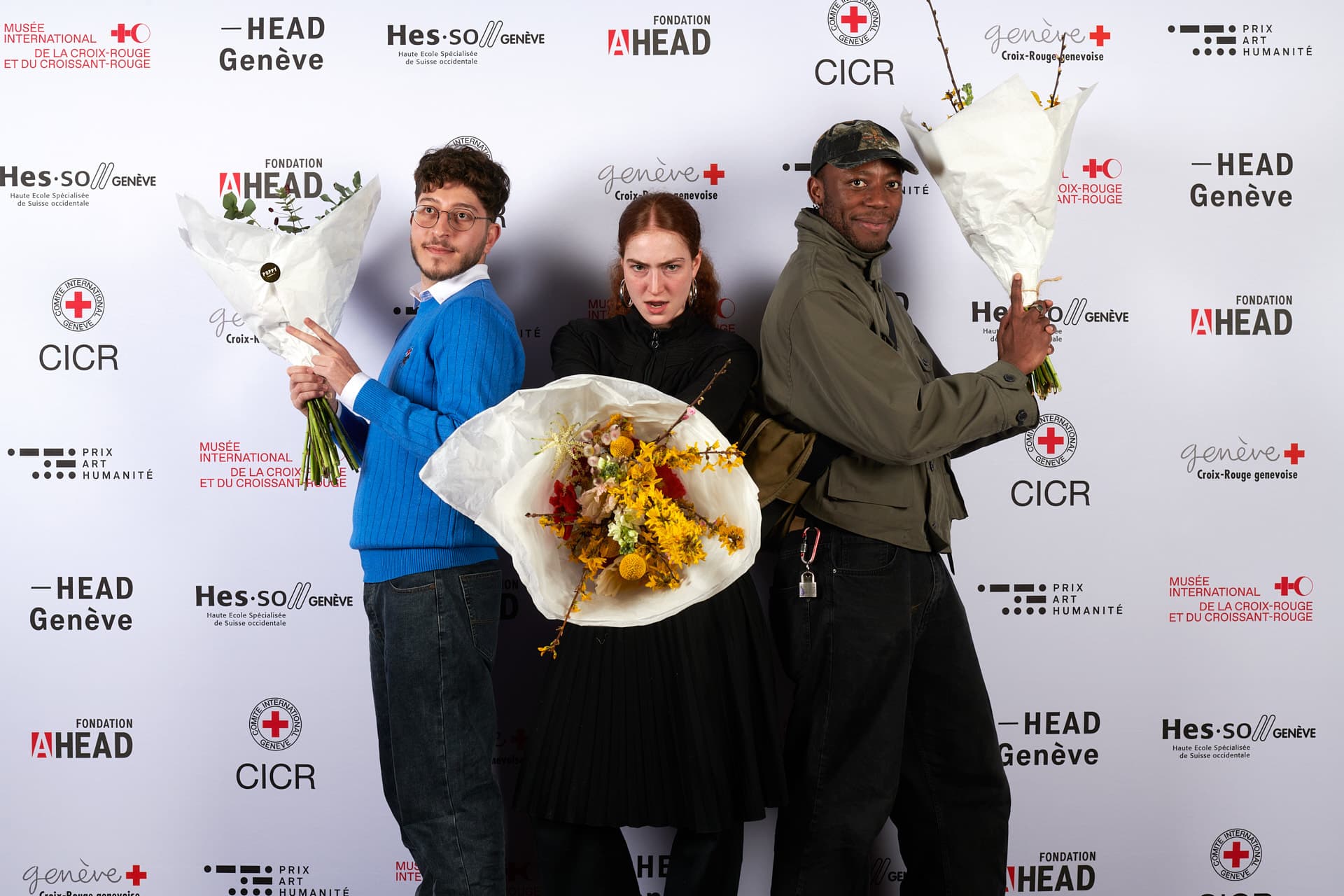
©Zoé Aubry 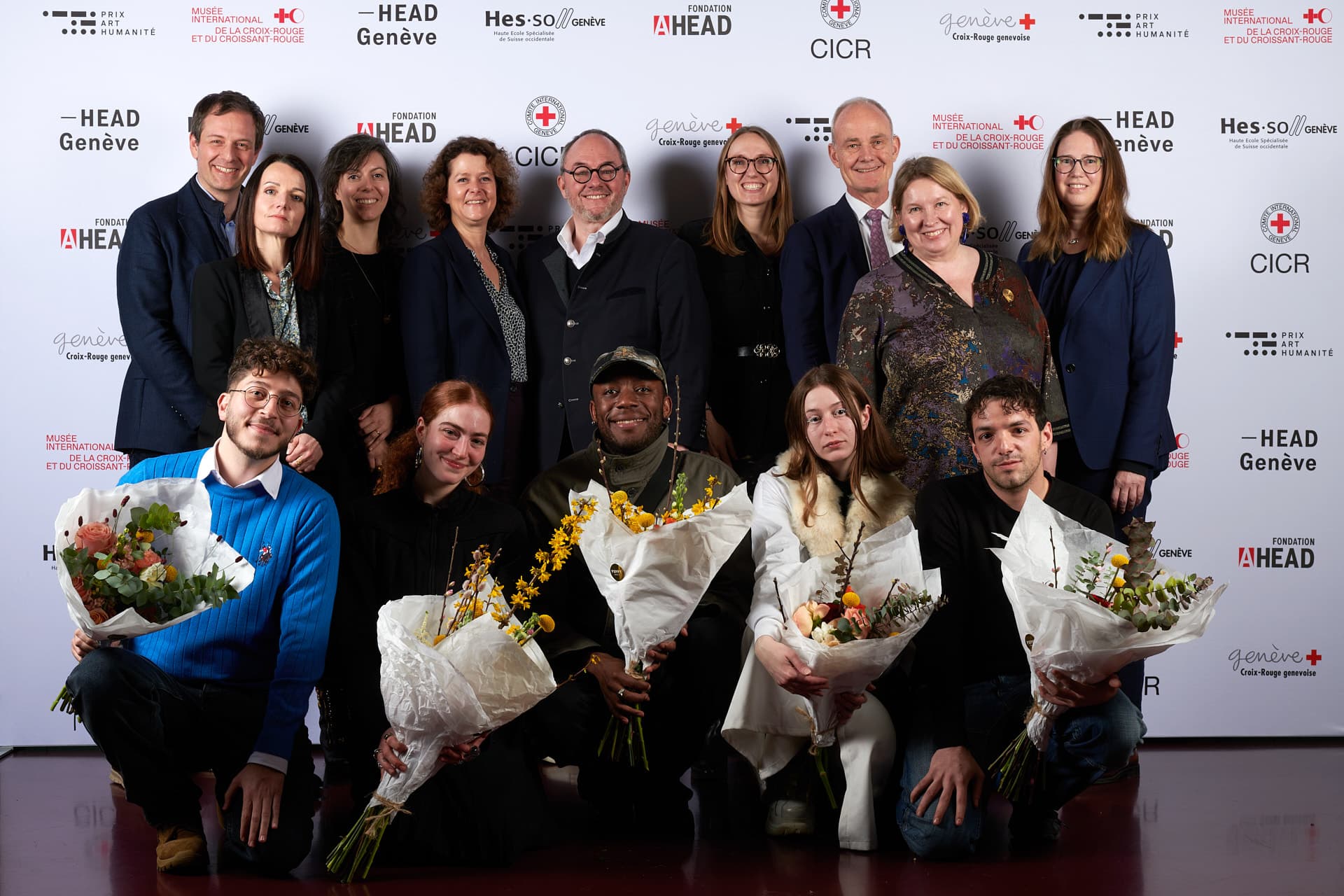
©Zoé Aubry 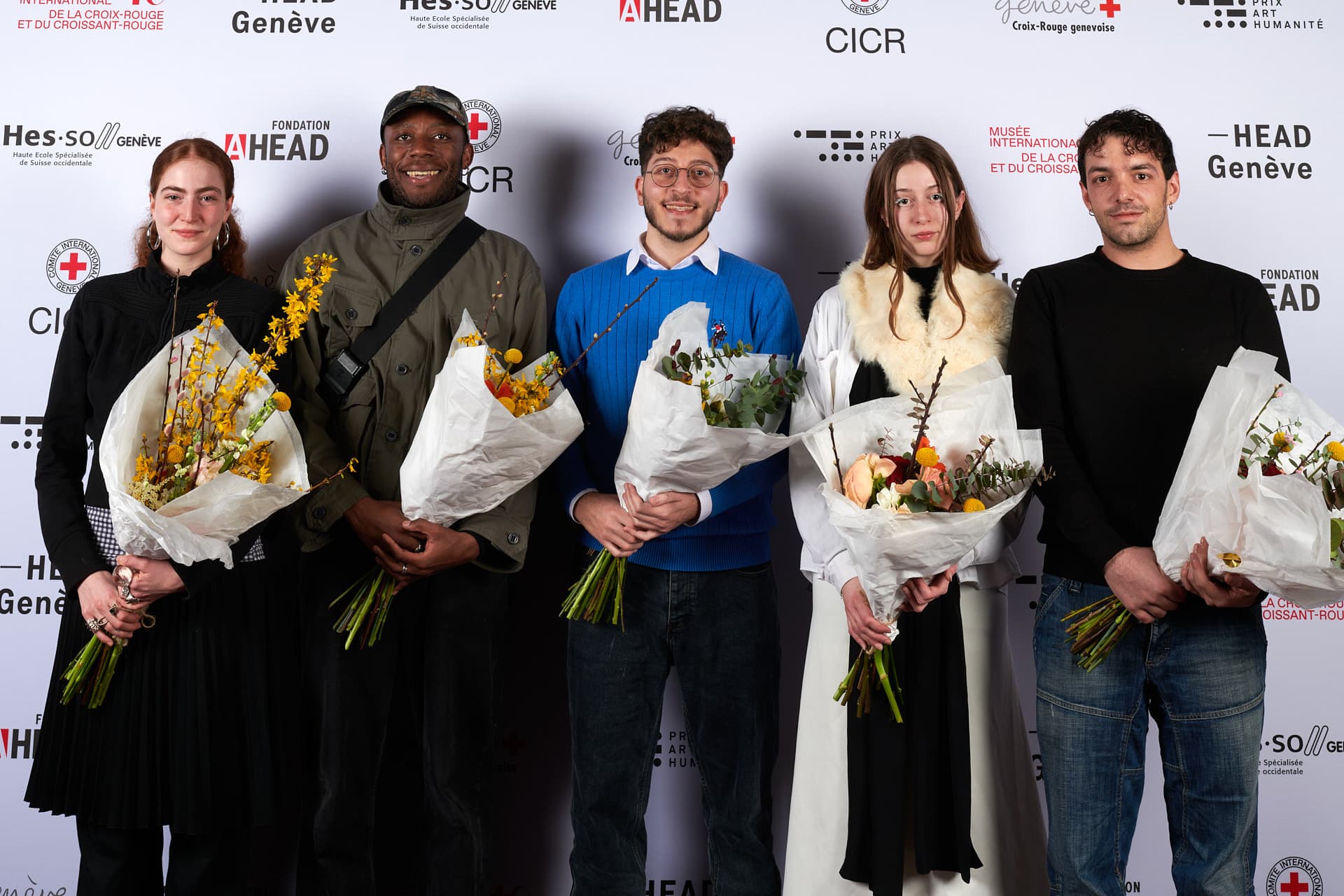
©Zoé Aubry 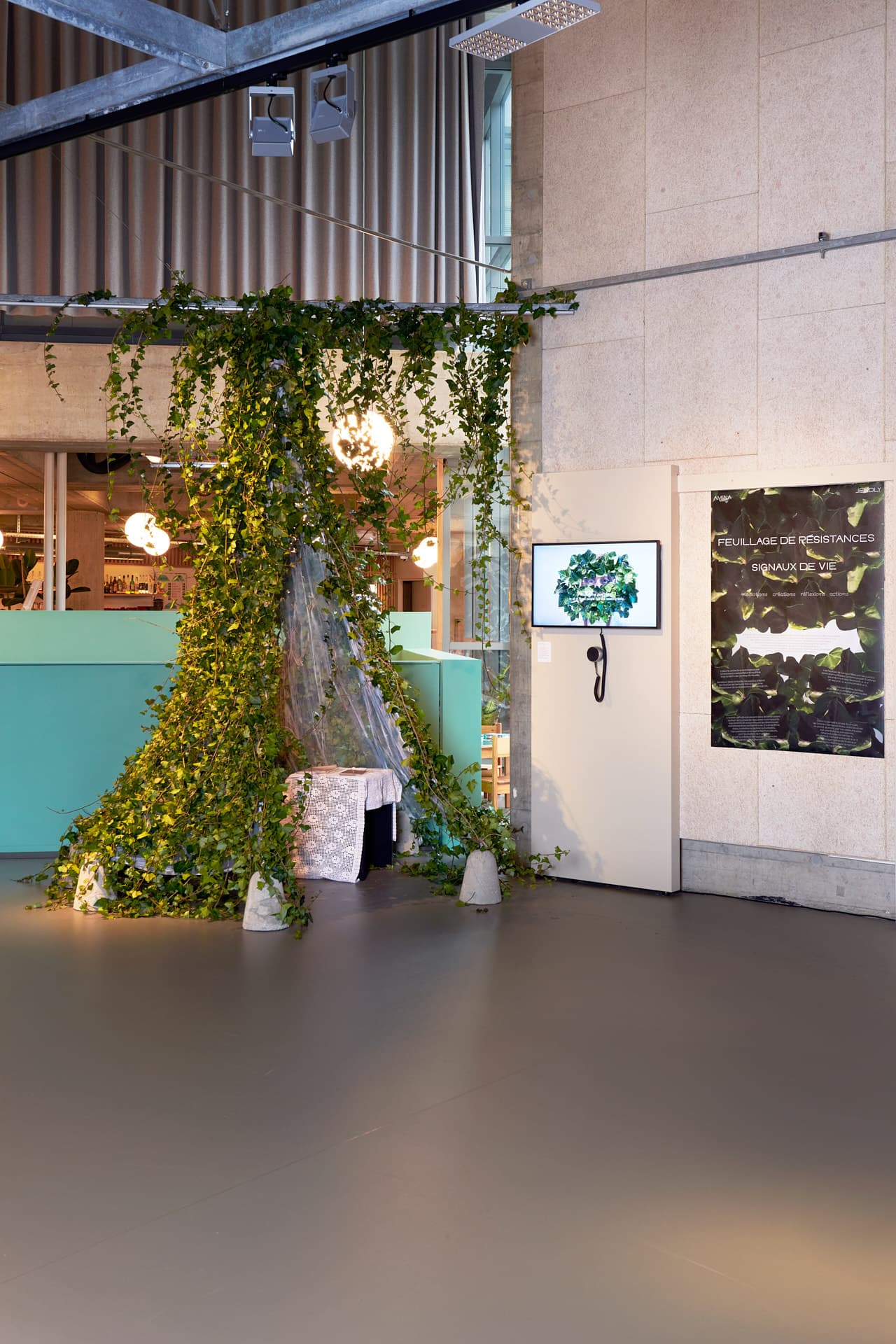
Amina Jendly's project ©Zoé Aubry 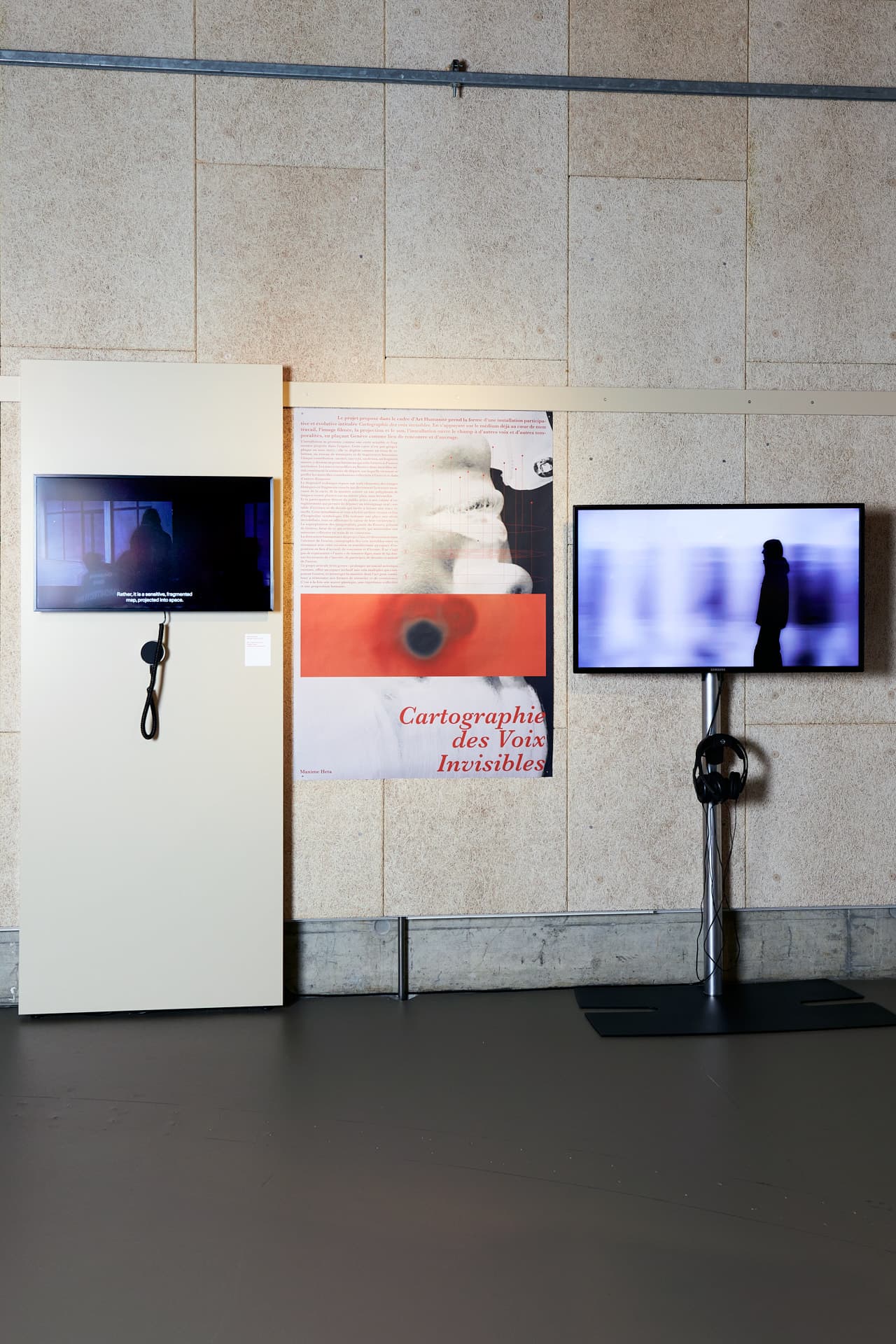
Maxime Heta's project ©Zoé Aubry 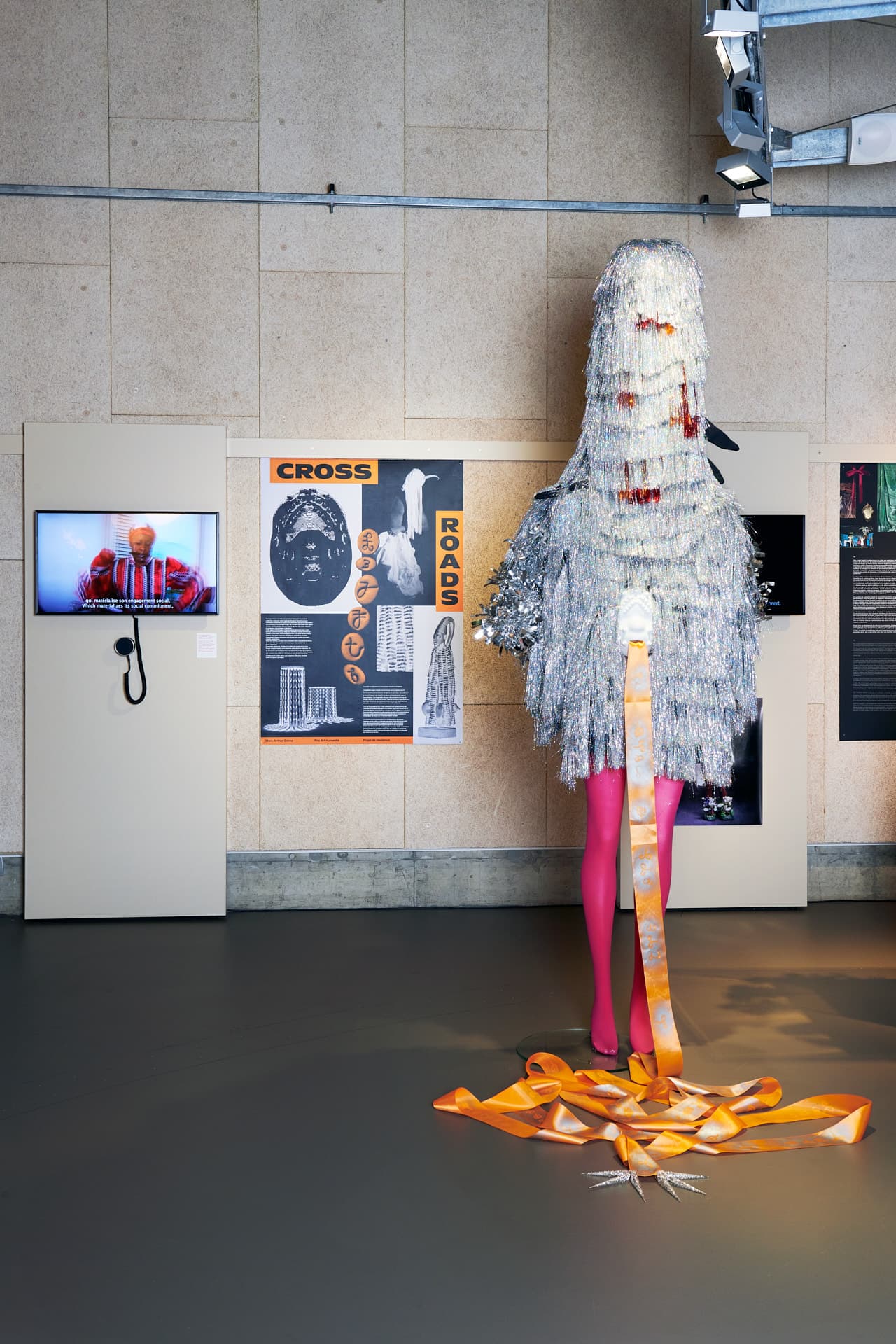
Marc-Arthur Sohna's project ©Zoé Aubry 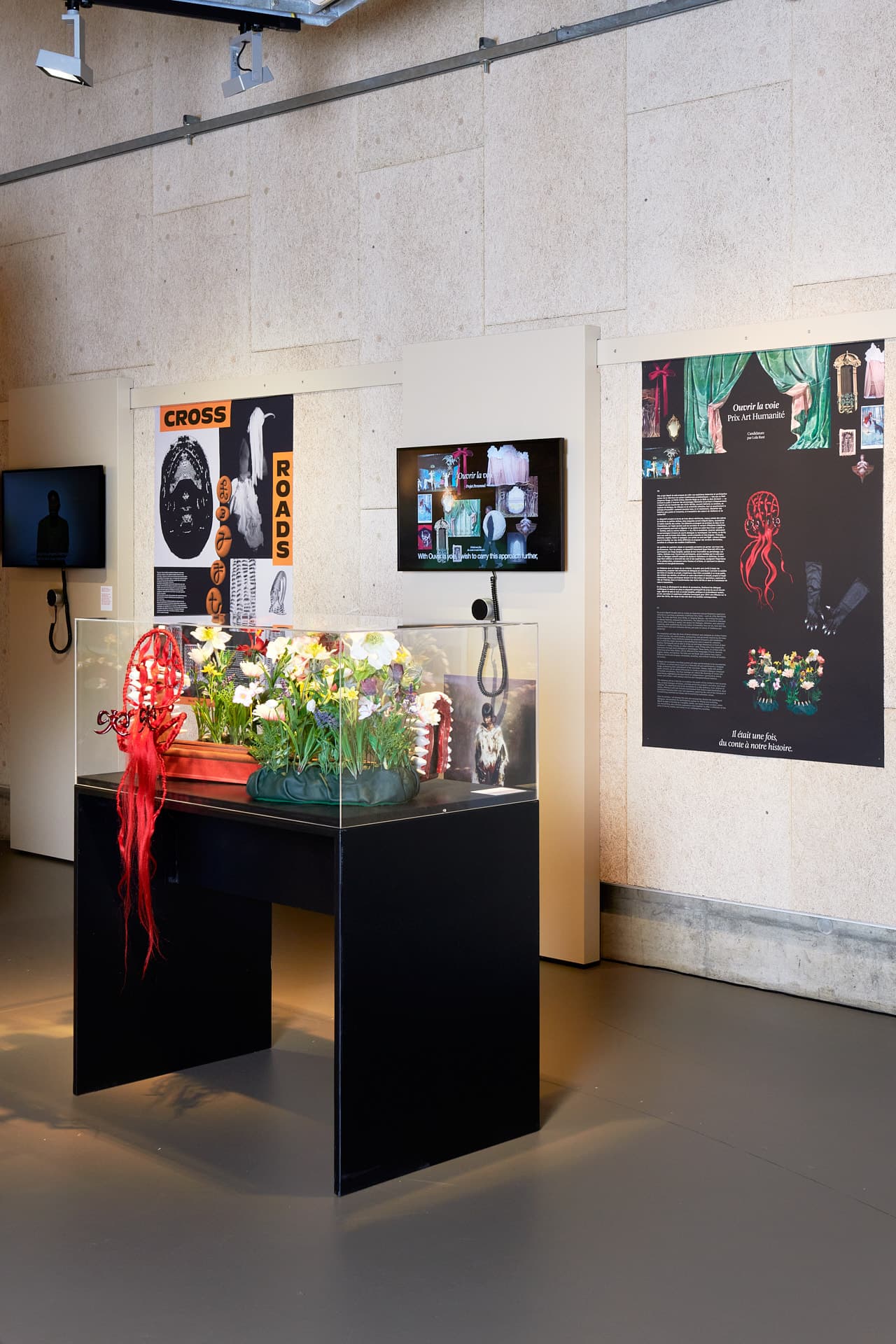
Lola Rust's project ©Zoé Aubry 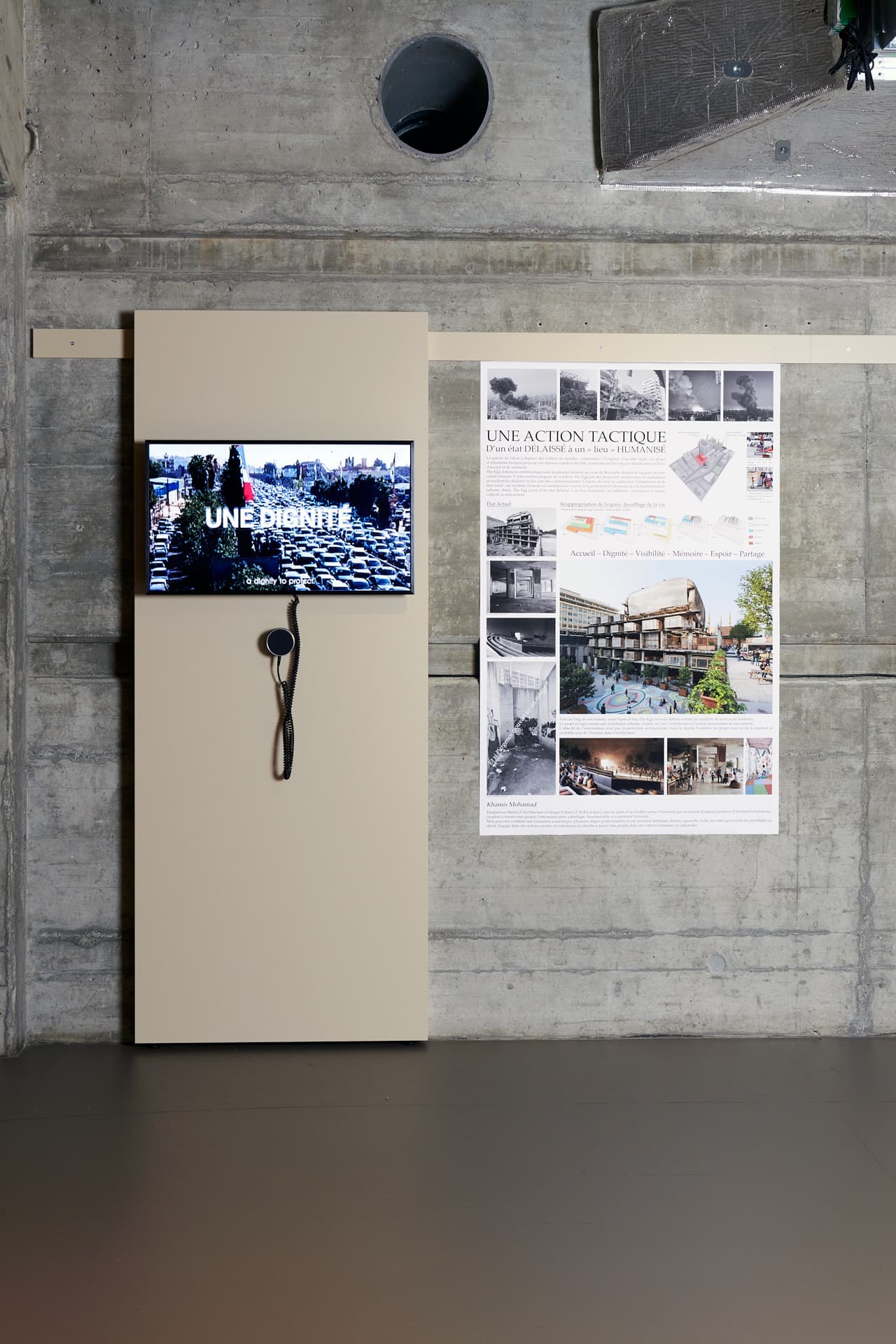
Mohamad Khamis' project ©Zoé Aubry 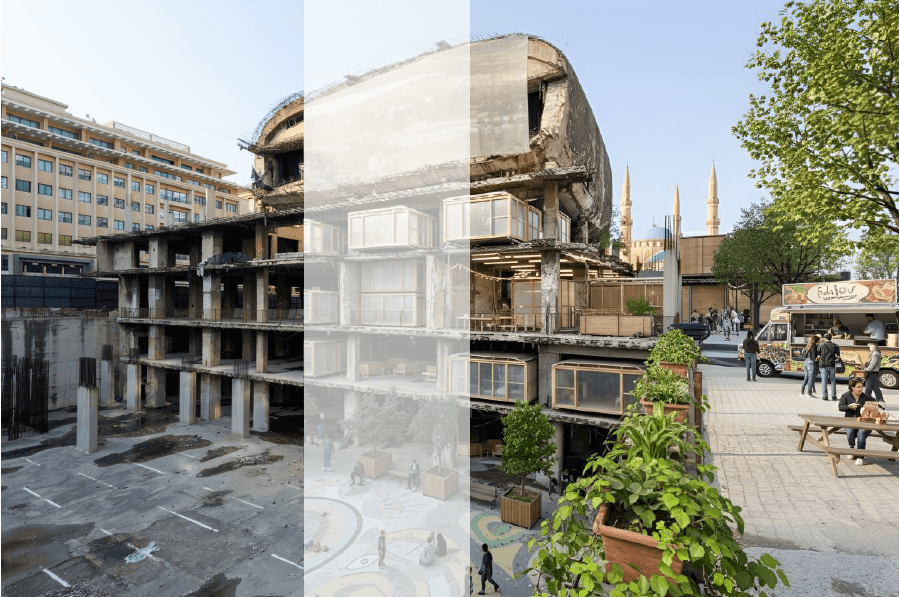
Mohamad Khamis, "Reconvertir pour accueillir : d’un état délaissé à un lieu humanisé" 
Maxime Heta, "Middle Ground" 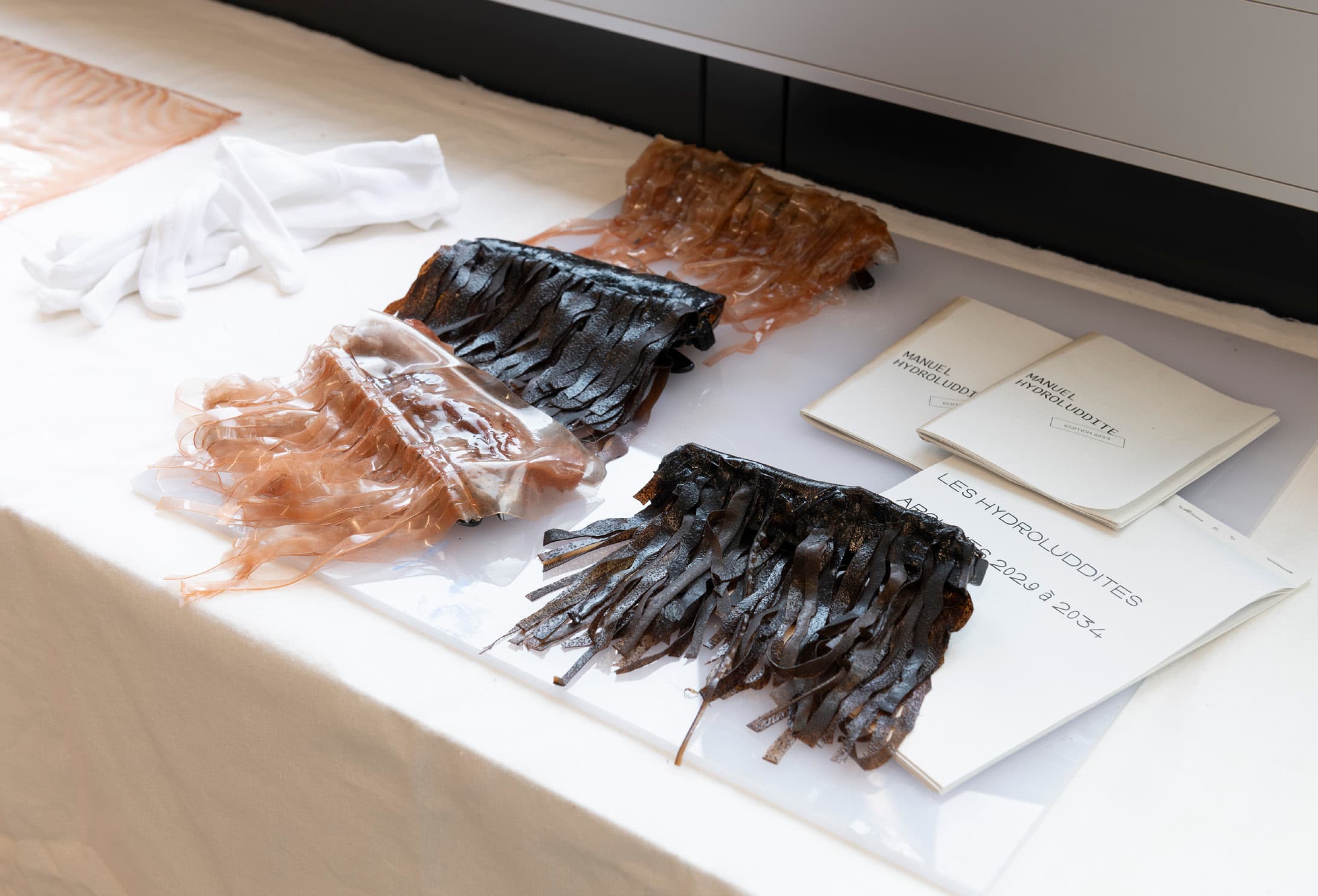
Amina Jendly, "Hydroluddites, le terrier, l’eau de la vie et l’eau de la mort" 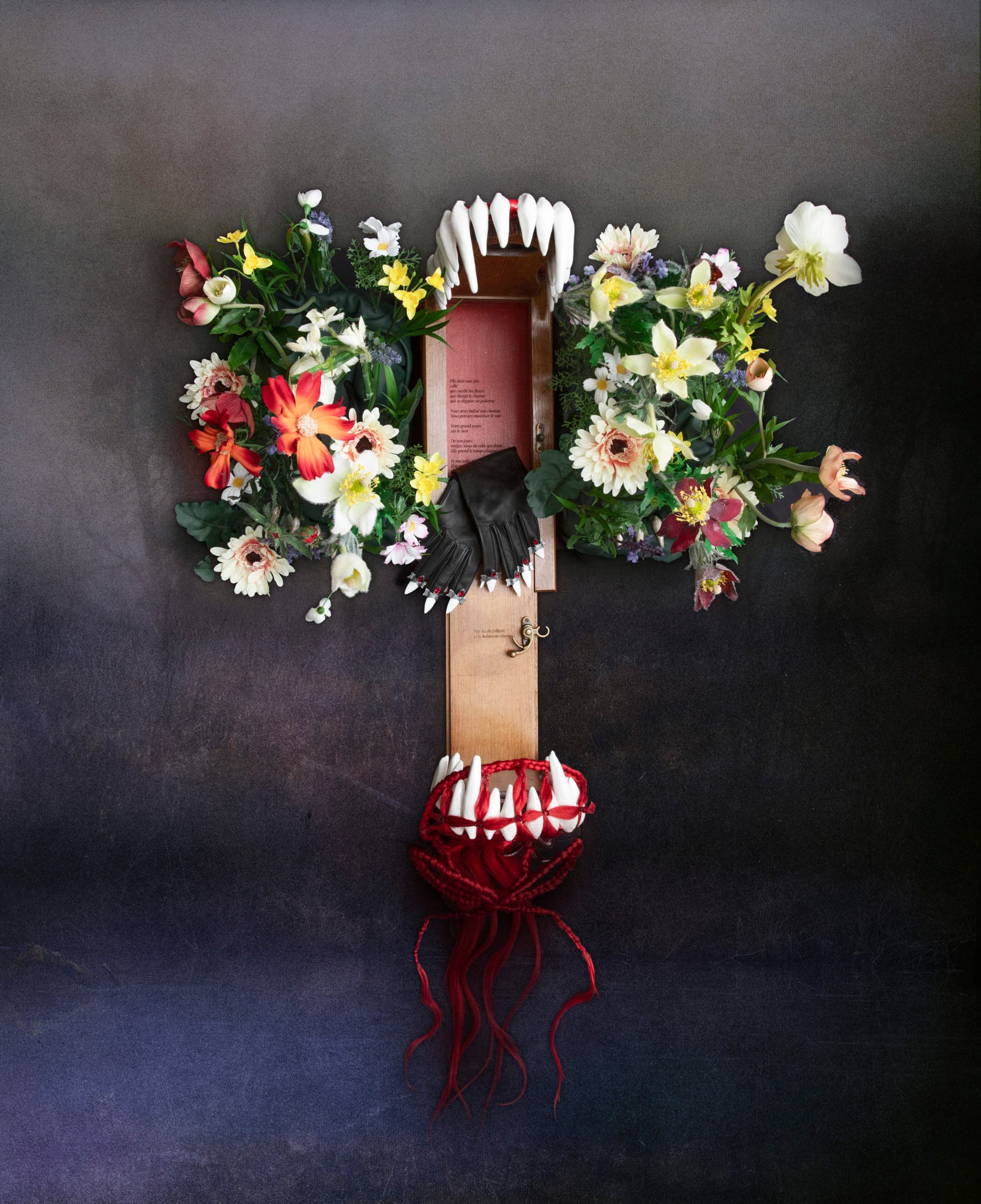
Lola Rust, "Elle était une fois" ©Léonie Guyot 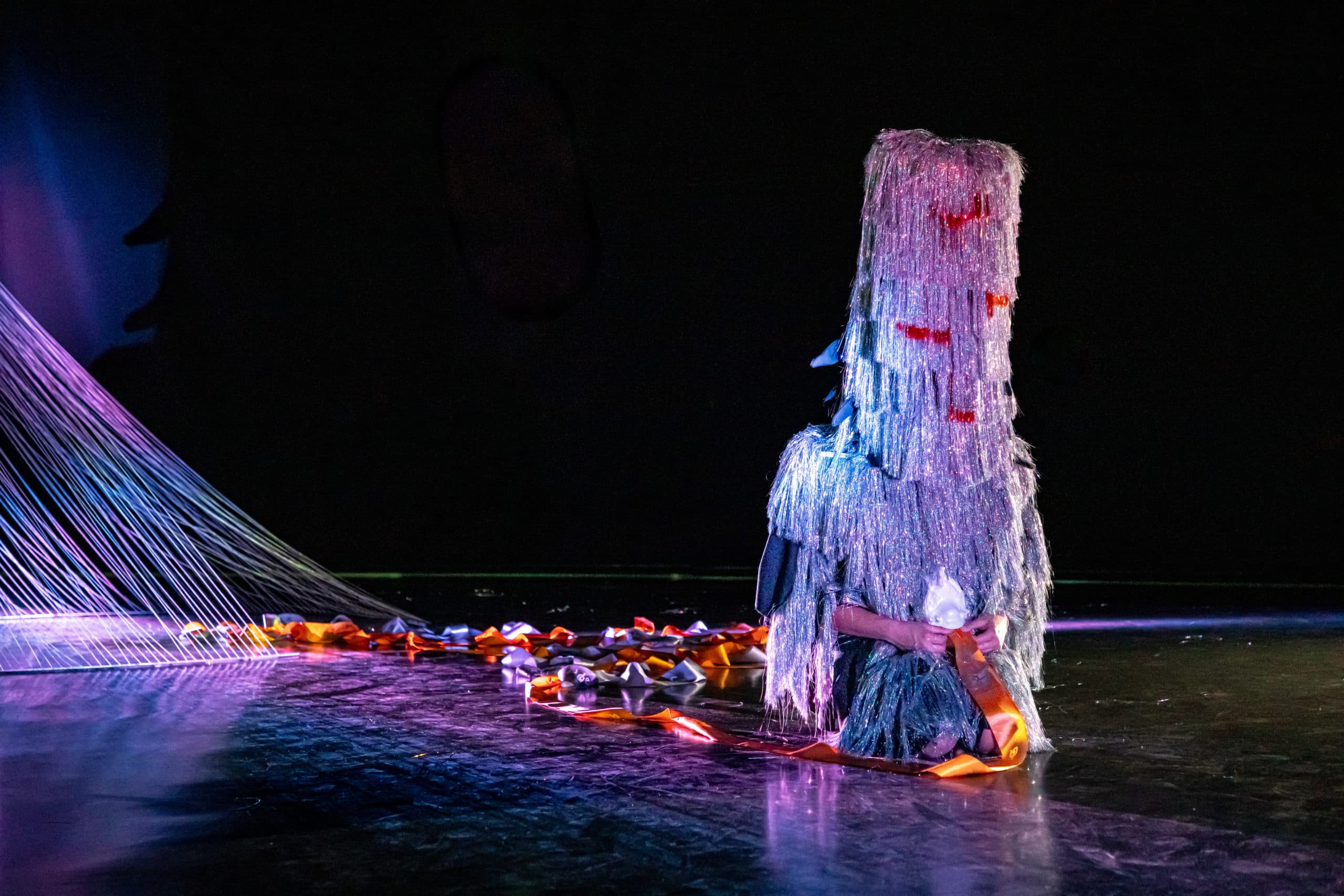
Marc-Arthur Sohna, "Ngog lituba : La Montagne tombée du ciel" ©Raphaëlle Mueller 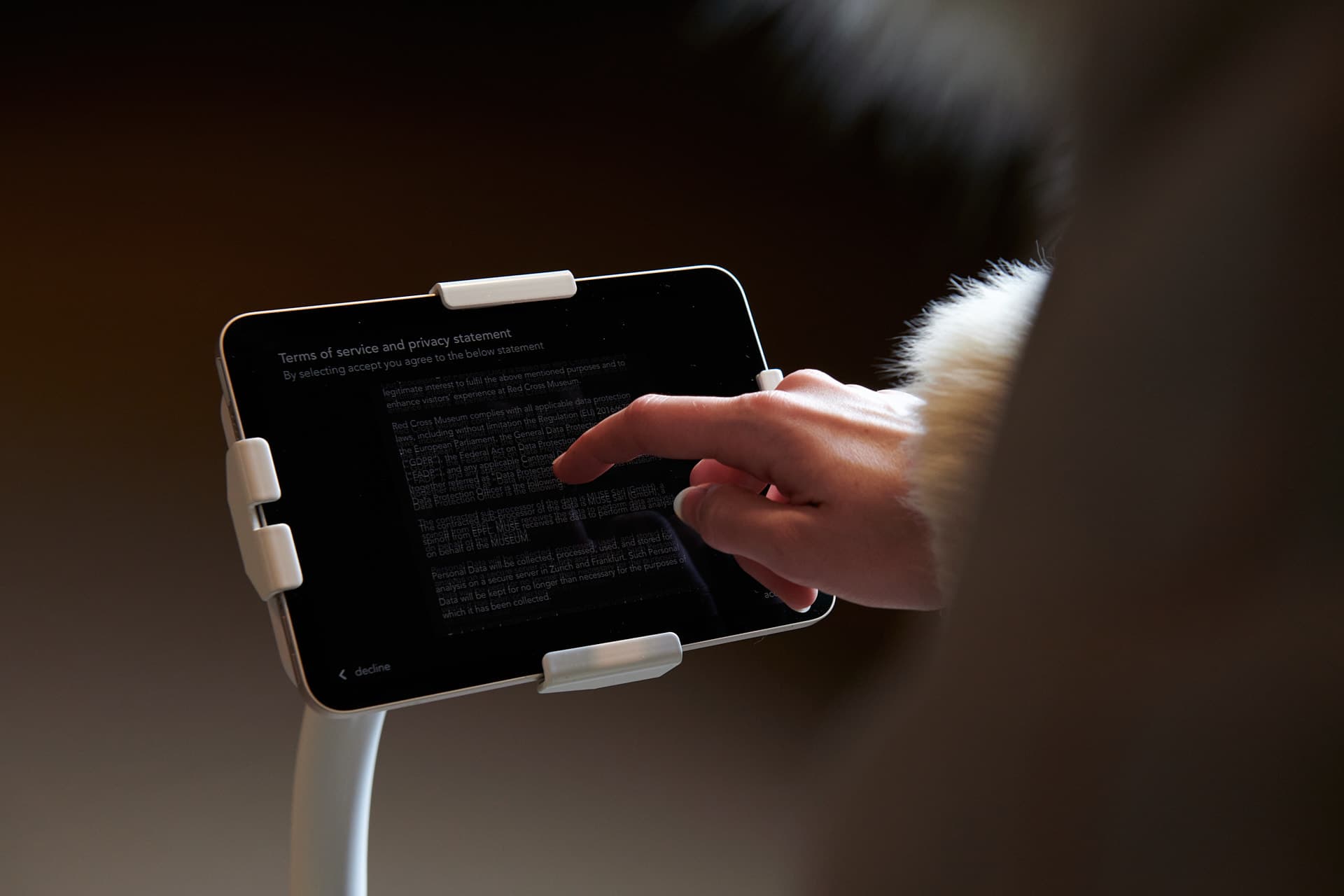
Partners
Practical info
Open Tuesday to Sunday from 10 AM to 5 PM
Late opening every Thursday until 8 PM
Closed on Mondays, 24th, 25th and 31st December, and 1st January
Admission to the finalists exhibition is free of charge.
You can vote for your favourite project using the tablet available in the Atelier to vote until 28 January 2026.
2025 artist residency in images
©Alex Larson, Julie Bellard, Salomé Ziehli
©Alex Larson, Julie Bellard, Salomé Ziehli
Book your visit to the Museum
The International Red Cross and Red Crescent Museum asks a central question: how does humanitarian action affect us all, here and now?